ABOUT US
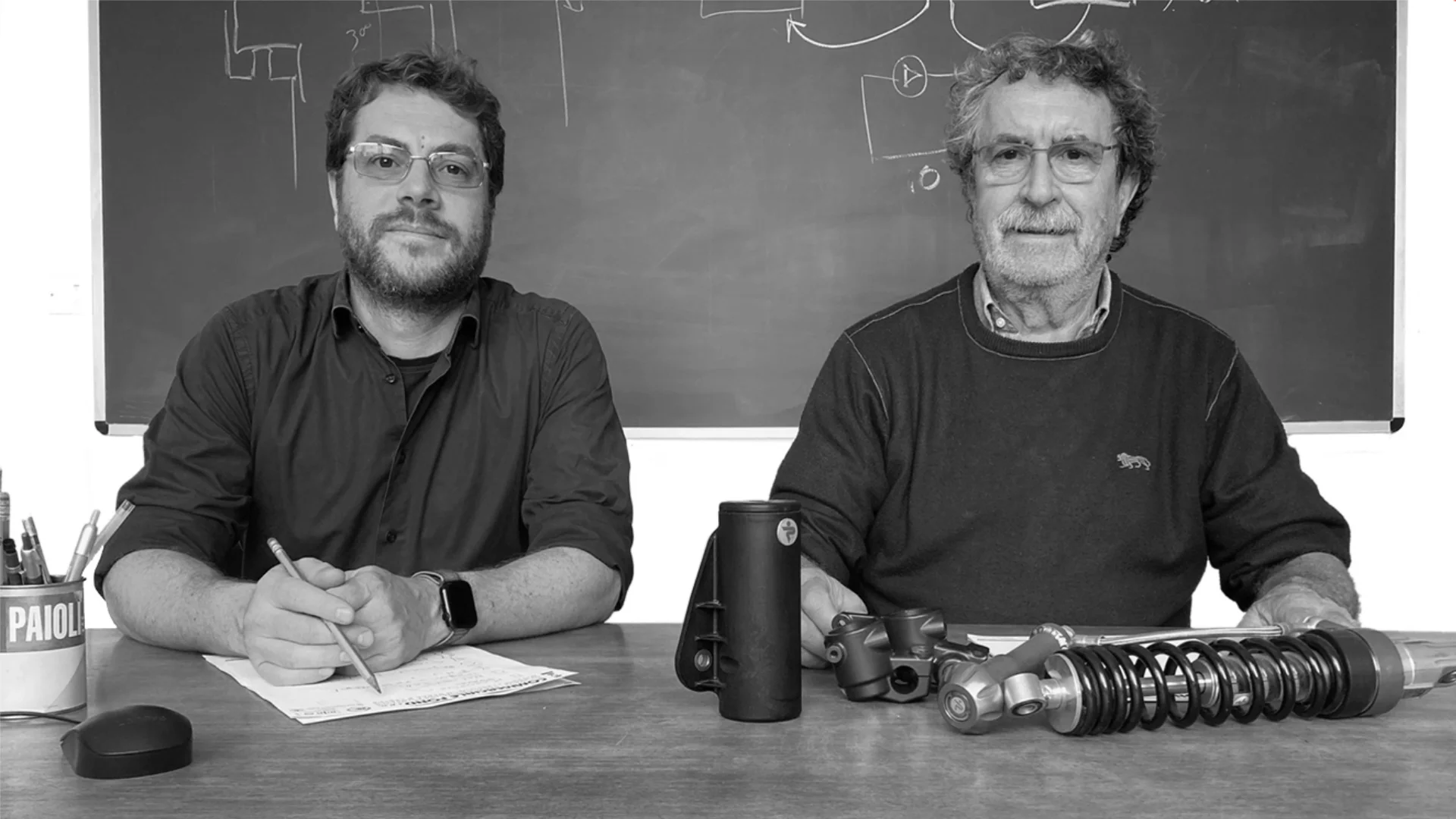
With over 100 years of engineering heritage, Paioli is a family-owned company specialized in the design and manufacturing of suspension systems, forks and fuel taps.

PAIOLI QUICK FACTS
- Founded in 1911 by Ricciotti Paioli
- 115+ years of engineering heritage
- Family-owned for four generations
- Specialized in motorcycle suspension systems
- Made in Italy supply chain
CHOSEN BY
OUR HISTORY
Founded in 1911, Paioli has evolved from a small bicycle component workshop into a recognized manufacturer of motorcycle suspension systems, maintaining continuous family ownership and a strong focus on innovation.
1911
The Origins of Paioli
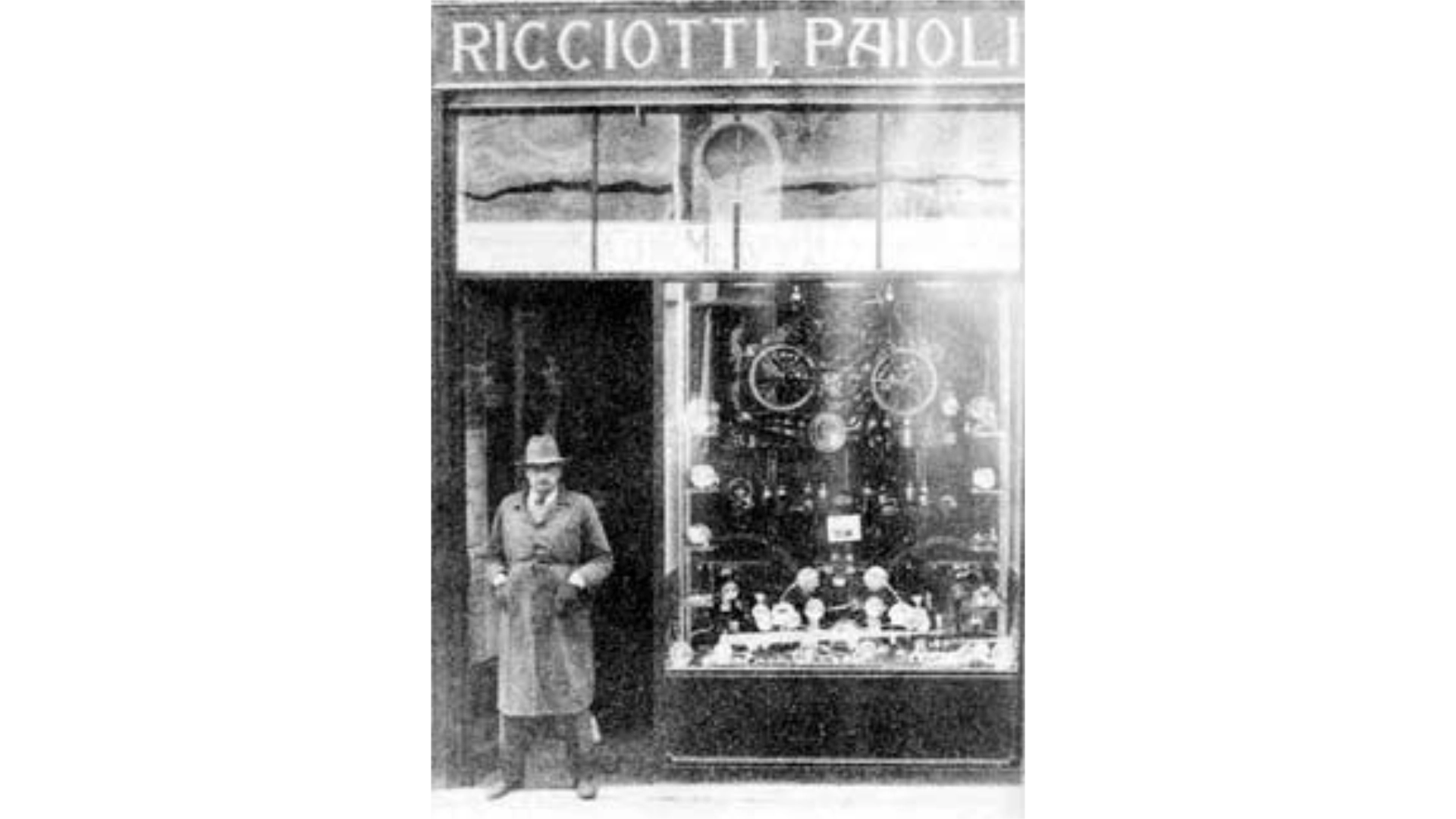
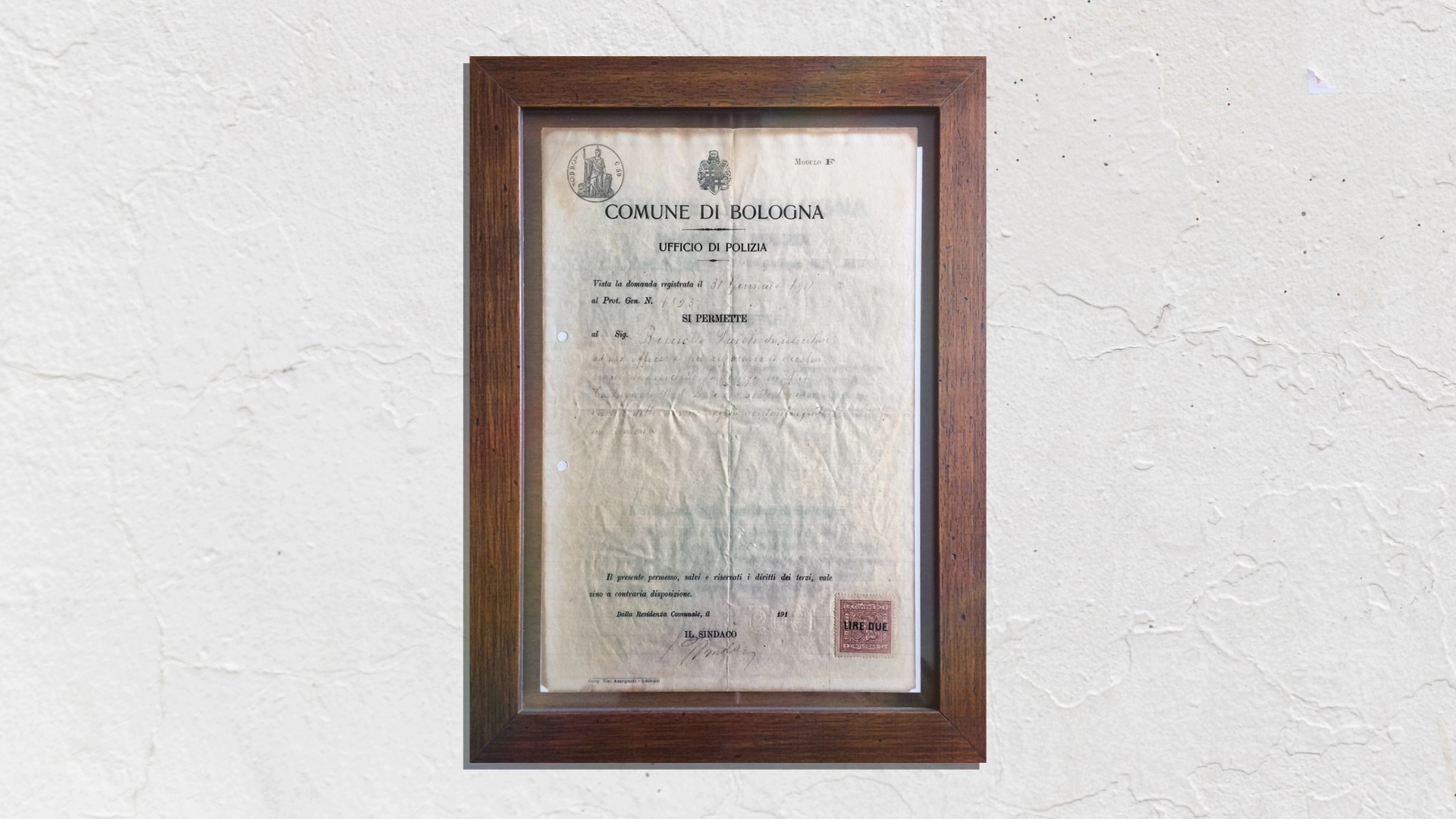
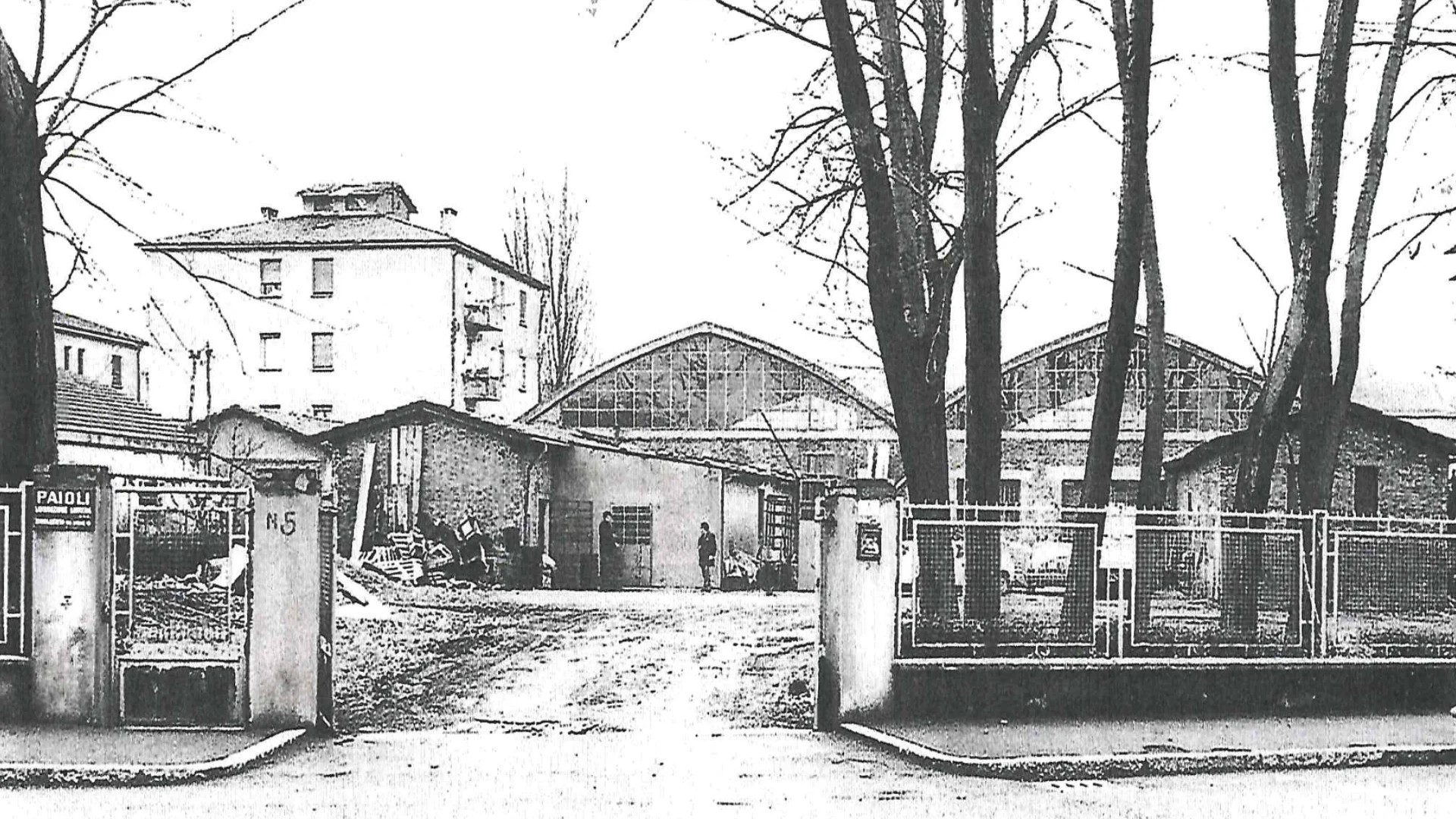
On January 31, 1911, Ricciotti Paioli (founder of Paioli) officially registered his business at the Chamber of Commerce of Bologna.
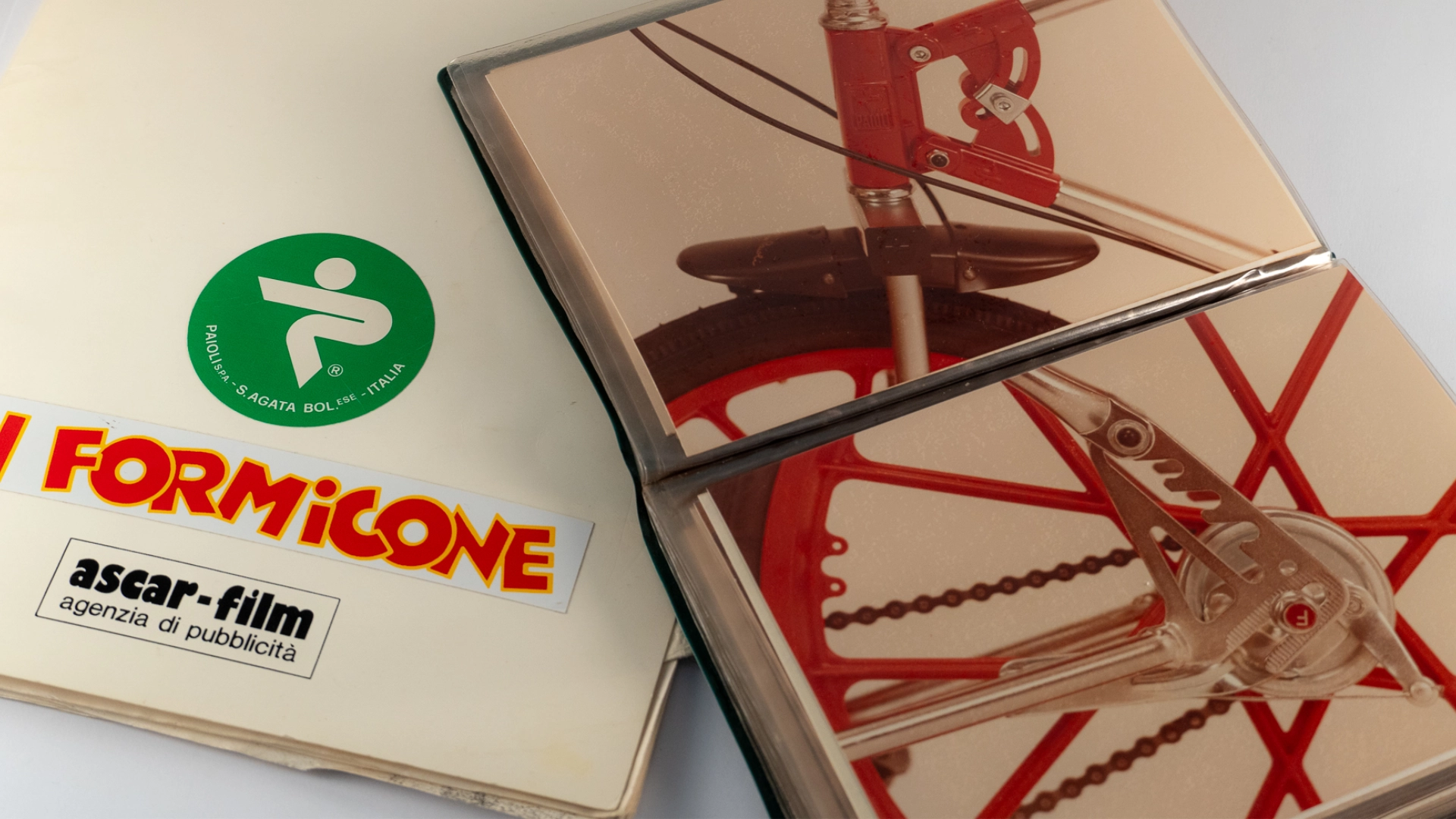
The company started as a shop selling saddle springs, fenders, and bicycle accessories. The first location was in Via de’ Castagnoli 8, near the Teatro Comunale in Bologna.
From the beginning, Ricciotti showed strong entrepreneurial skills and quickly gained recognition among traders and manufacturers in the sector.


1920 - 1930
From shop to production
In the following years, the company grew steadily, evolving from a small shop into a more structured manufacturing business. Despite the challenges of the time, including World War I and the economic crisis of 1929, Paioli strengthened its position and employed between 15 and 20 workers.
R&D in bicycle components
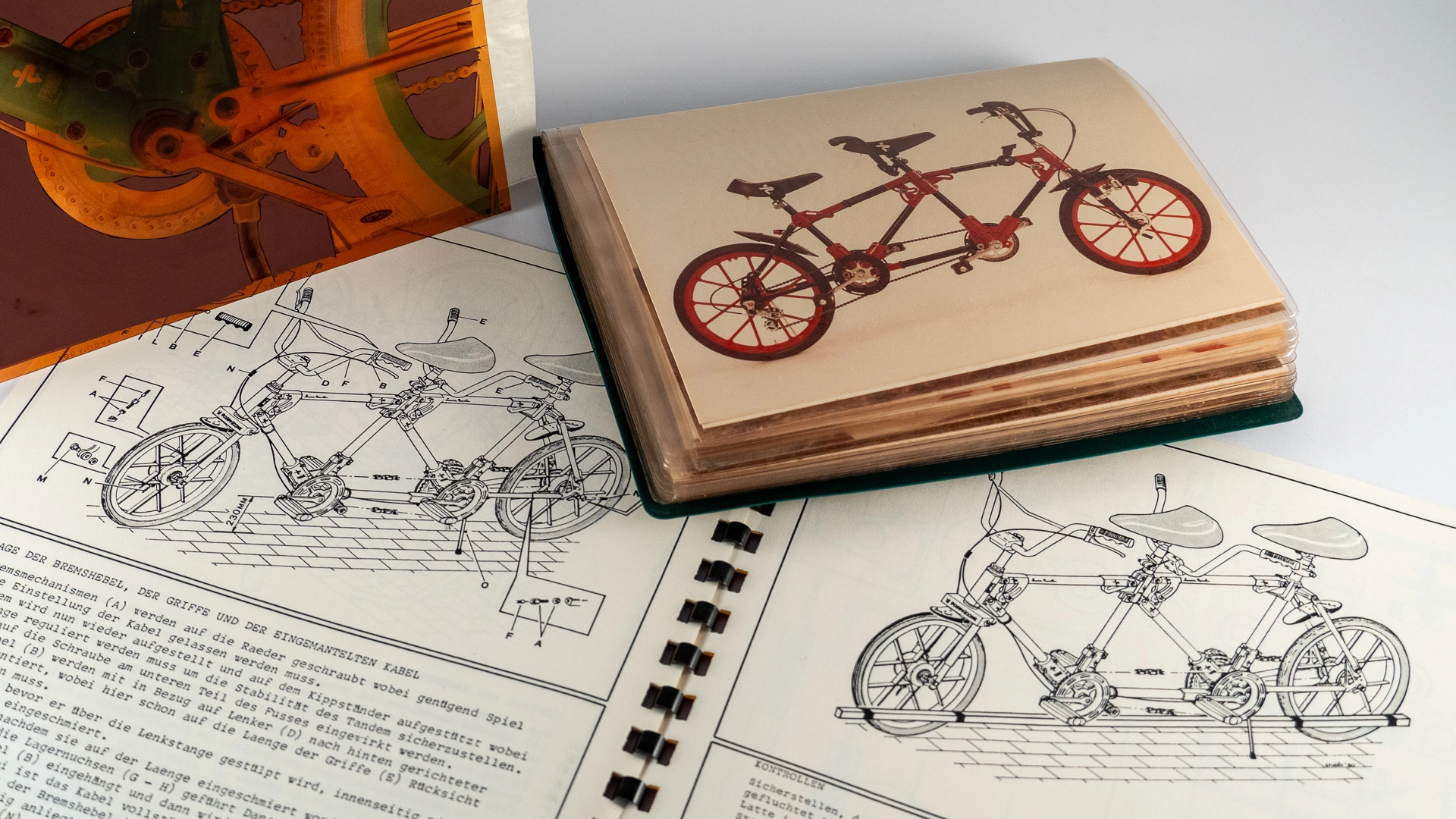
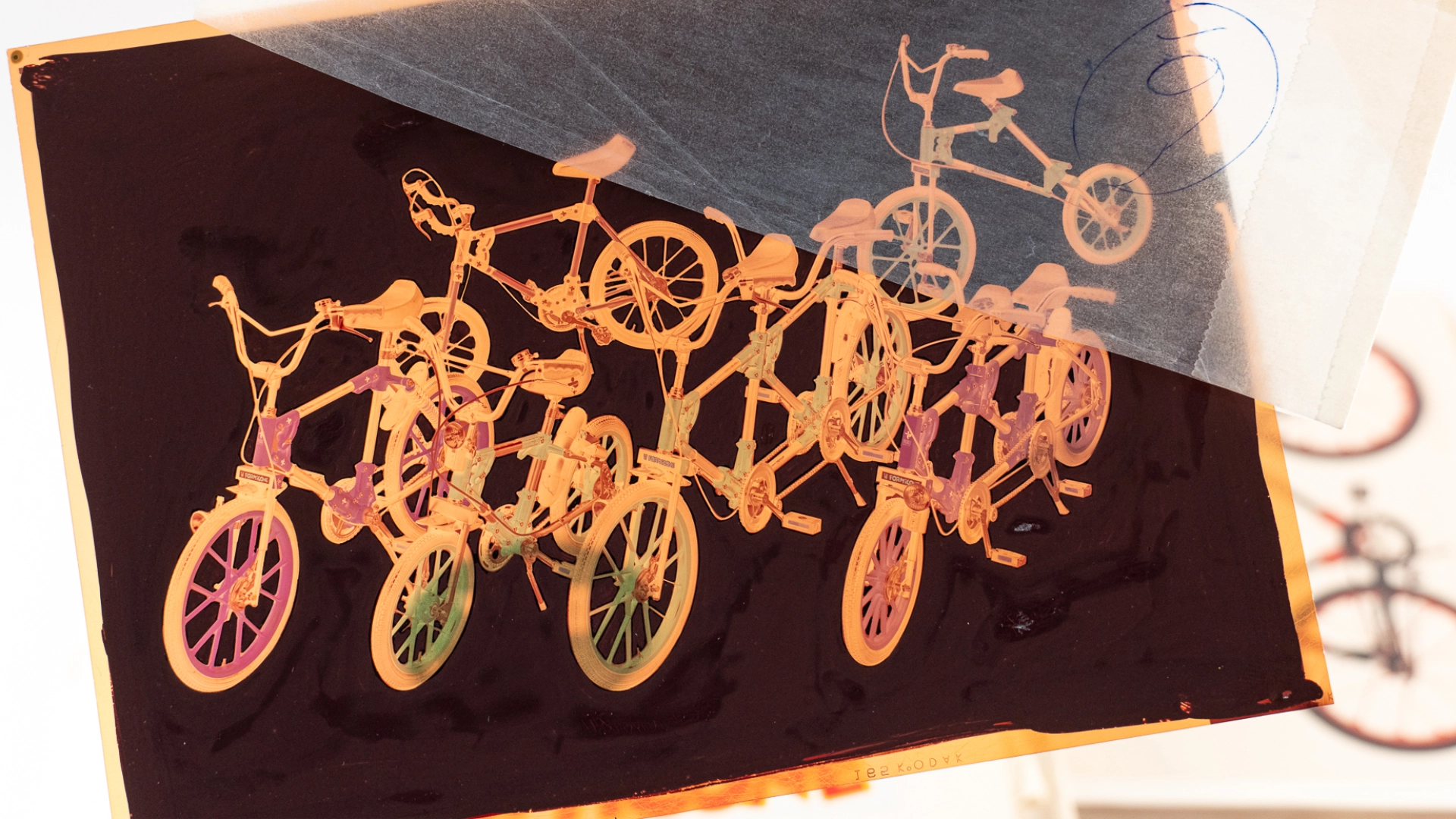
This growth was driven by continuous research and development of simple, practical, and cost-effective solutions for the bicycle industry.
Several useful products were created, including spoke protectors, fenders for dynamo rollers, “Eterna” wire mesh covers for women’s bicycles, “Simplex” chainrings, as well as tax disc holders and reflectors.
Among the most original experiments was an elliptical crankset, designed to improve pedaling efficiency, an innovative idea for its time, although it remained at a prototype stage.
1954
Break and restart
The air bombing of September 25, 1943 abruptly stopped the business. The workshop was destroyed and the family home in Via De Castagnoli was heavily damaged. The family found refuge in a country house in Settefonti, near Ozzano.
Marked by the war and its difficulties, Ricciotti entrusted the future of the business to his daughters, Laura and Loredana, before passing away in March 1956.
In a city still recovering from the war, Laura (1919) and Loredana (1922) founded the company “Sorelle Paioli” on August 6, 1945.
Their goal was clear: to sell bicycle accessories, both wholesale and retail. They kept the original location in Via De Castagnoli, serving a growing market in the following years.
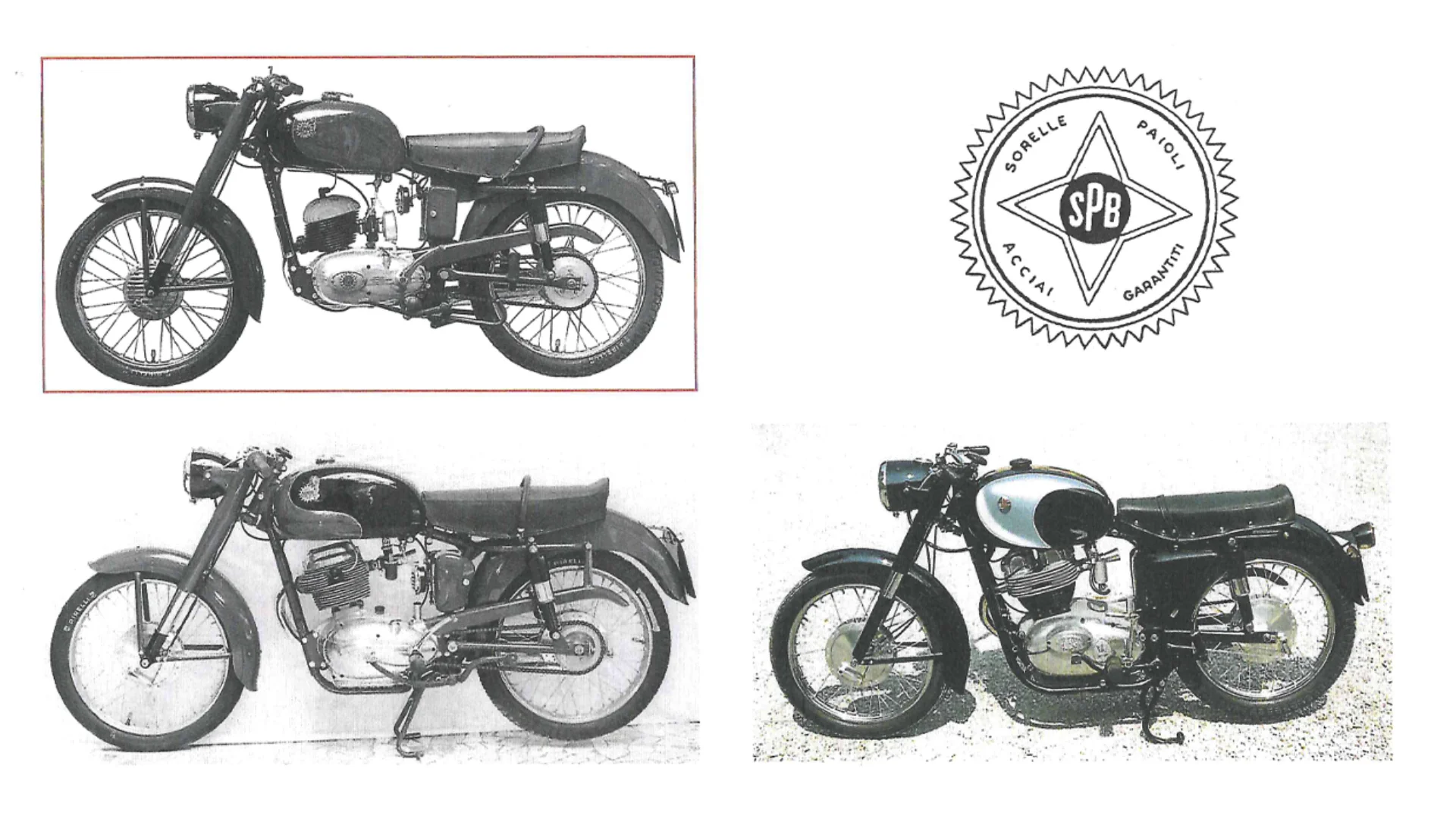
Alongside cyclists, new customers began to emerge, interested in mopeds, scooters, and motorcycles of different sizes. This marked the first step toward a broader evolution of the company.


1948
Industrial growth
In 1948, the company became a general partnership, a stronger structure to support a growing market. To support growth and reduce costs, the company invested in new technologies, introducing three presses funded through the Marshall Plan.
Key Partnerships
The activities increased. The company received important assignments, including the exclusive representation of Cogne for bicycle frame components, as well as orders from major industrial companies such as Moto Guzzi. A large part of the production focused on sheet metal fenders, made using rolling machines designed by Ricciotti. Each piece was carefully processed and finished, ensuring a high level of quality.
1954
Entering the Motorcycle Suspension Market
By 1954, the company experienced significant growth. The workforce reached 60 employees and the business expanded across multiple locations, covering both sales and production:
- The original shop in Via De Castagnoli for retail sales of moped accessories and steel wire;
- A nearby location in Via Facchini 5 for wholesale of various goods (including fishing equipment);
- A workshop in Via Stalingrado 74, outside the city center, for the production of springs and fenders.
Customers increased and included well-known names such as Benelli, Garelli, and Moto Guzzi. In the Emilia region, the company established collaborations with B.M. – Bonvicini, C.M., DEMM, Maserati, and Testi. For Ducati, a dedicated department was maintained, with a stable team of 5 to 7 workers.
1954 also marked a change in the company structure, with the entry of Attilio Gnudi, Laura’s husband, and Luciano Pirazzini, Loredana’s husband.


1961 - 1967
A new direction
Division of activities
Changes in ownership and the growing variety of products made a strategic decision necessary. The company was dissolved and the activities were divided.
Laura and her husband Attilio continued in the bicycle and motorcycle sector, while Loredana and Luciano started new businesses, Paioli Sport and Reglass, focused on sports goods and phenolic resins.
In 1962, “Paioli Meccanica di Paioli Laura & Gnudi Attilio” was established, becoming Paioli S.p.A. in 1963. The company strengthened its expertise in sheet metal processing, producing fenders, casings, and metal components with high quality standards. While new synthetic materials were emerging on the market, Paioli continued to focus on metal, maintaining a strong link to industrial tradition and craftsmanship.
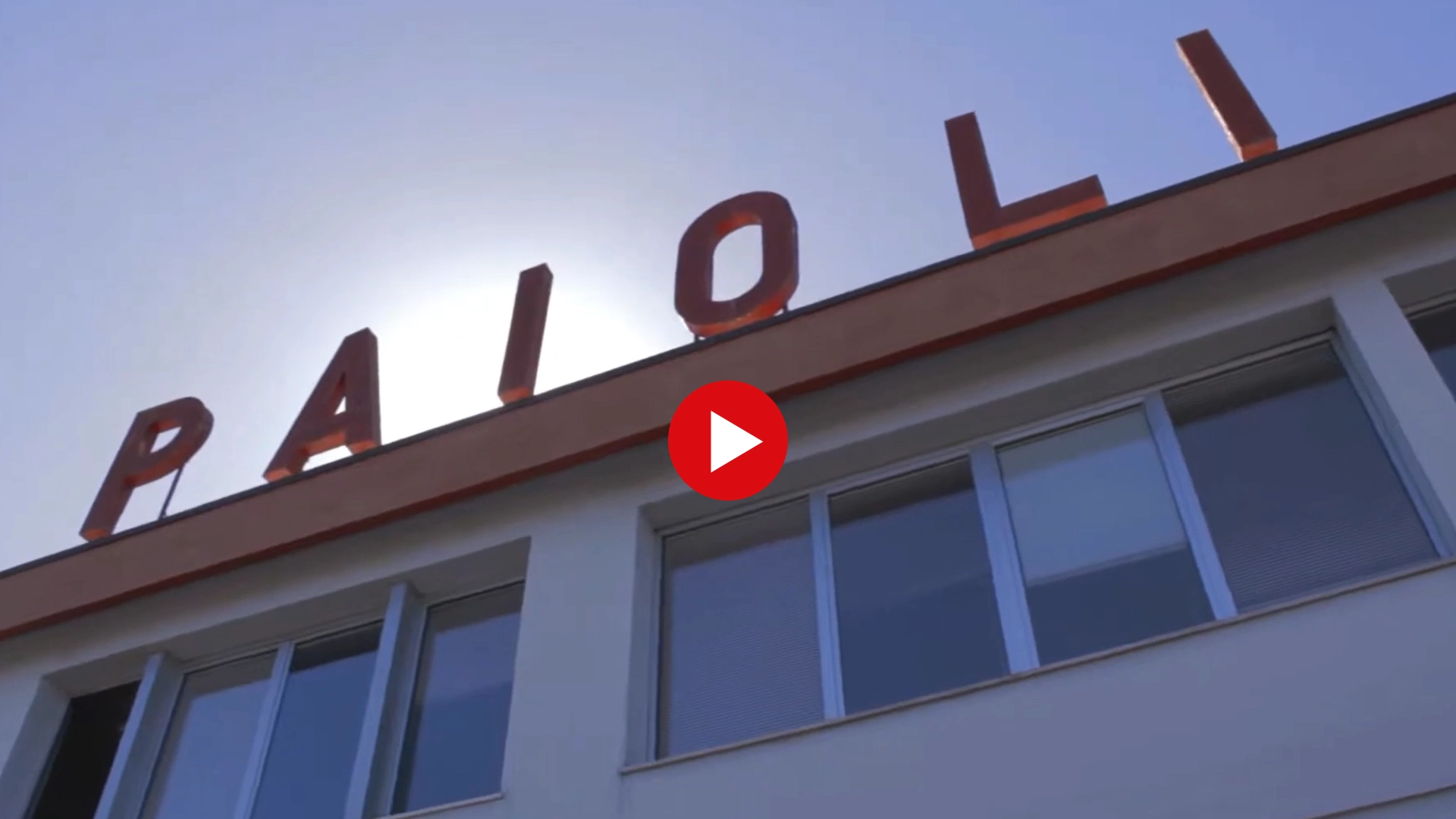
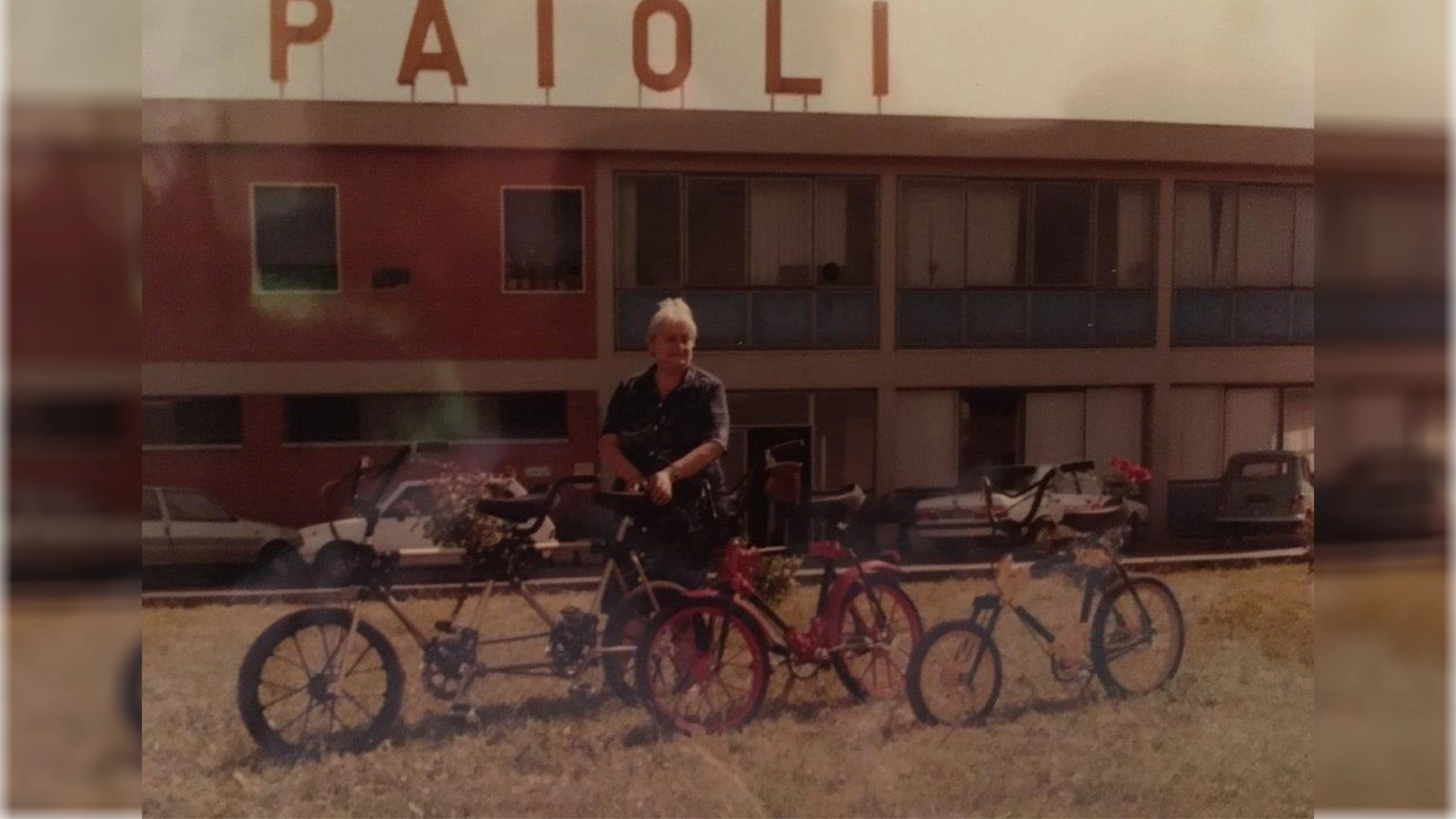
In 1967, a new plant was opened in Sant’Agata Bolognese, in Via Modena 14, in the heart of the Motor Valley. This is still the company’s main headquarters today.
1972
Growth and skills
In 1972, a motorcycle spare parts sales activity started inside the factory in Bologna, in Via Casoni 12. It was managed by Maria Giovanna Gnudi and her husband Luciano Santovito. During this period, the third generation of the Gnudi family became actively involved in the company, with Maria Giovanna, Antonio, and Andrea.
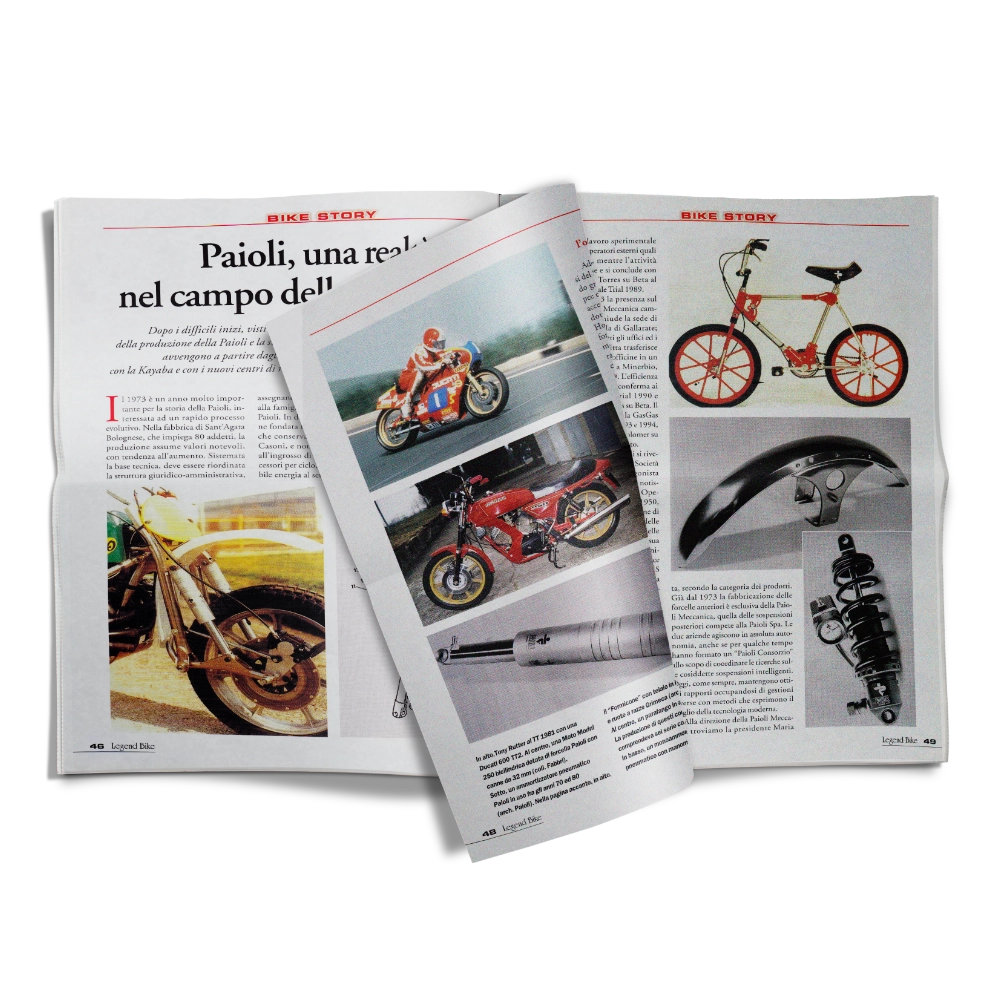
1973 marked a key step in the company’s growth. Production at the Sant’Agata Bolognese plant, with around 80 employees, reached significant levels.
At the same time, the company structure was reorganized, with clearer responsibilities between the different family branches. On November 10, 1973, “Paioli Meccanica S.a.s.” was established, based in Bologna. The new company focused mainly on the motorcycle sector, especially forks, while wholesale trade of bicycle accessories and sports items continued as a secondary activity.
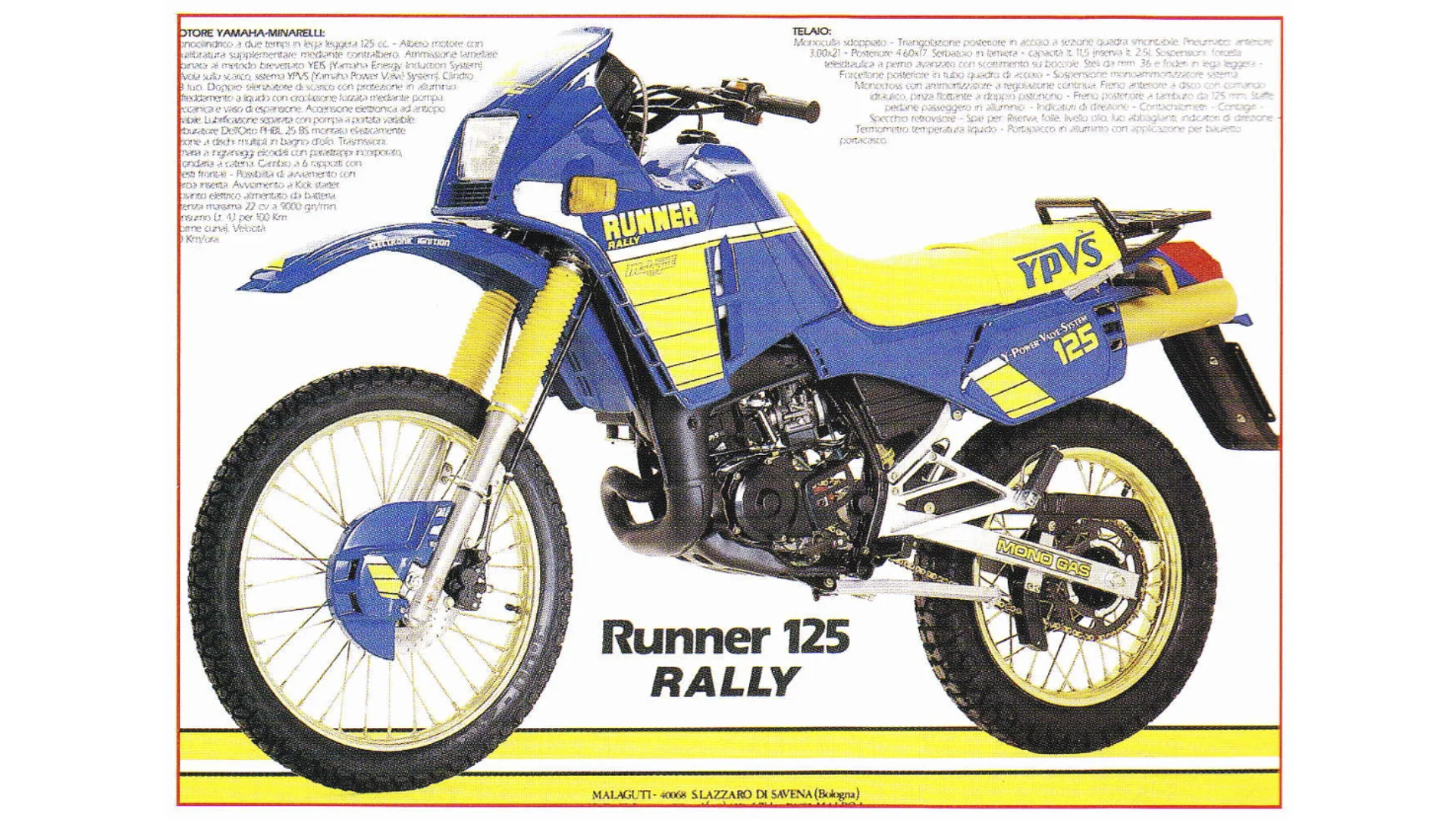
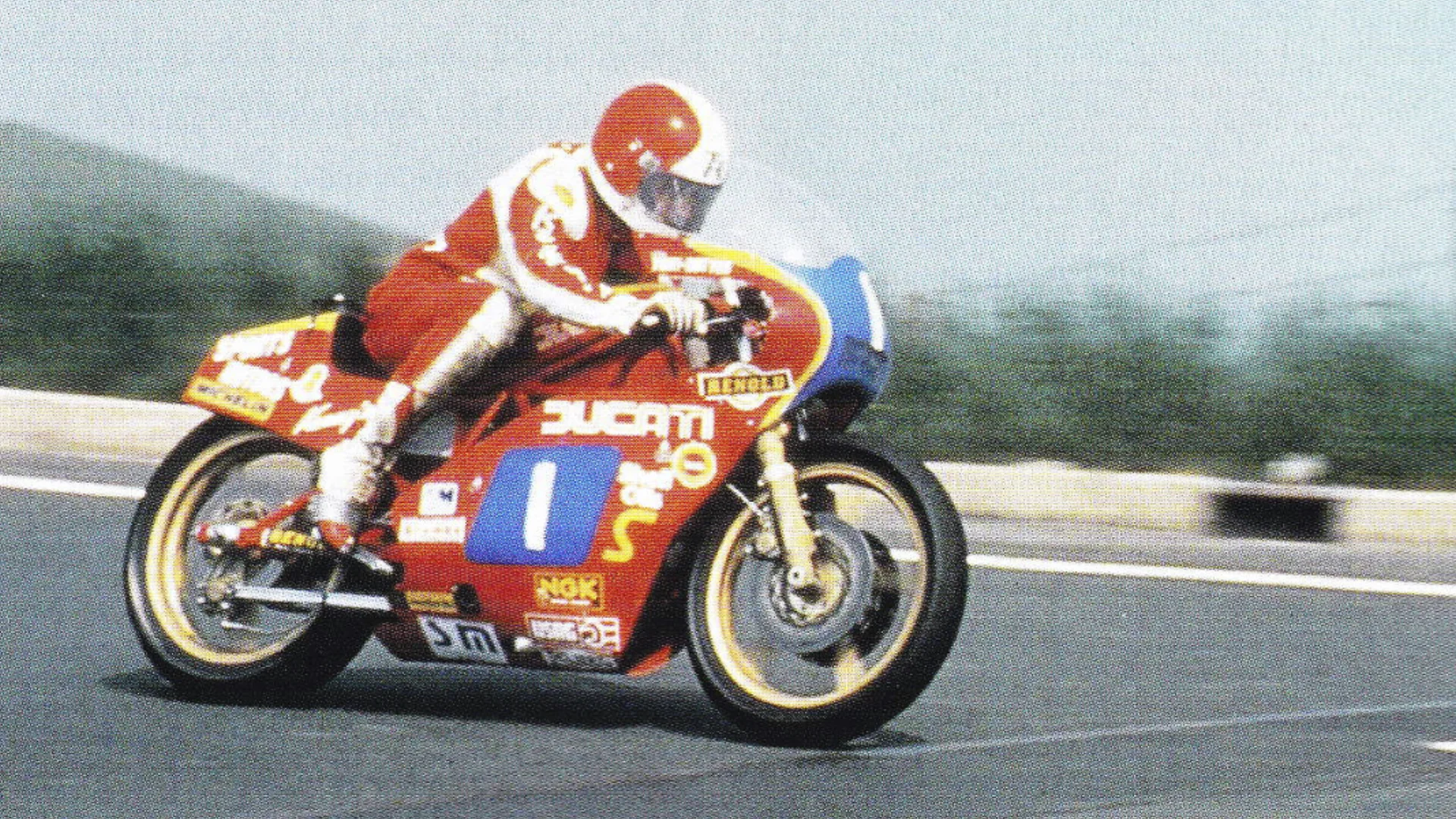
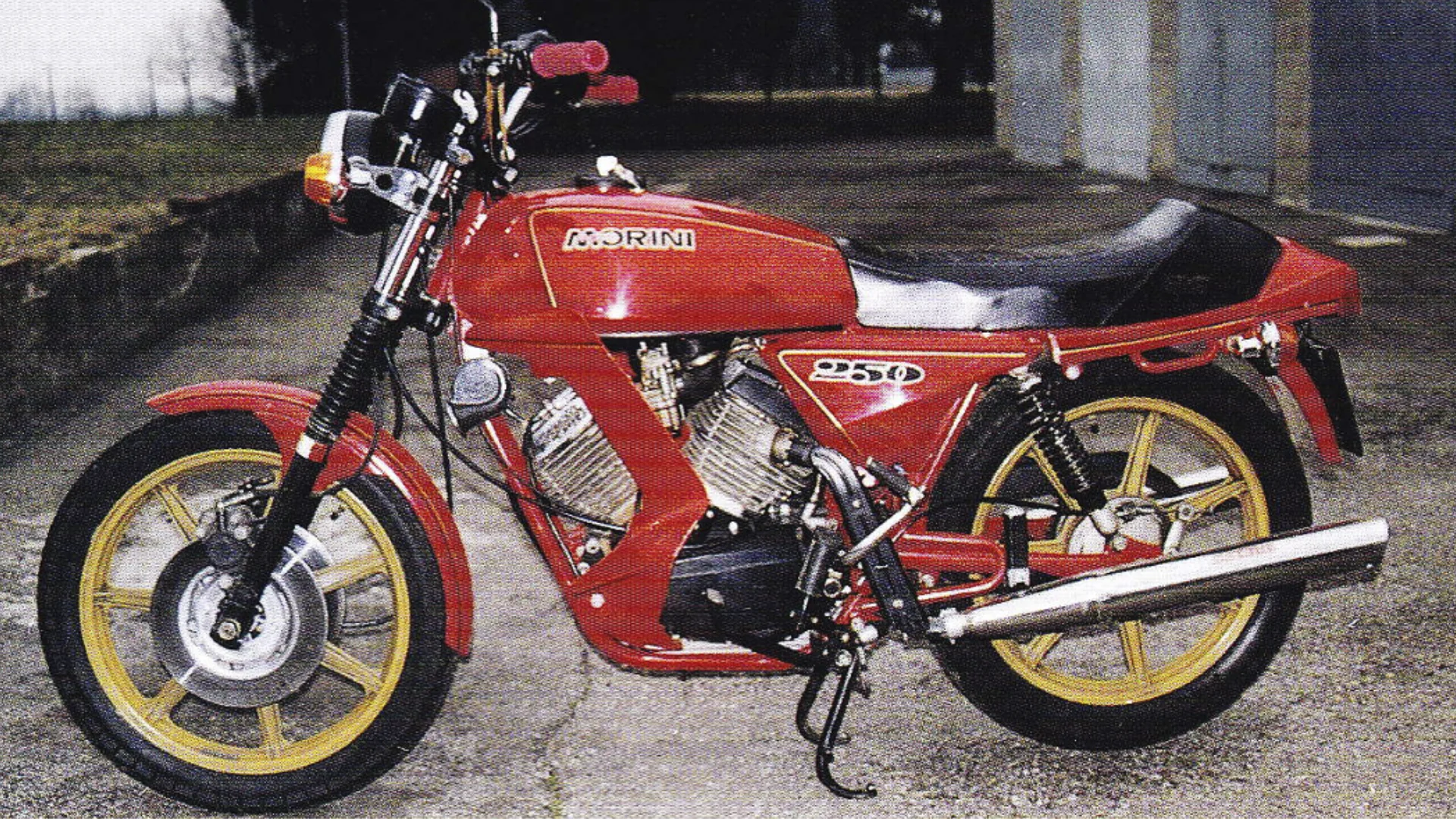
Important motorcycle manufacturers were among the customers, including Cagiva, Ducati, Italjet, Malanca, and Moto Morini. At the end of the decade, the CR 30 fork series received strong market success, thanks to the use of magnesium alloy components and innovative technical solutions such as advanced axle forks for off-road use.


1978–1990
Focus on suspensions
Accelerate the specialization
In 1978, Paioli S.r.l. was founded in Sant’Agata Bolognese, chaired by Laura Paioli. The following year, the company became Paioli S.n.c., continuing its traditional sheet metal processing activities.
The company increasingly focused its strategy on the development of motorcycle suspensions, with special attention to rear shock absorbers.
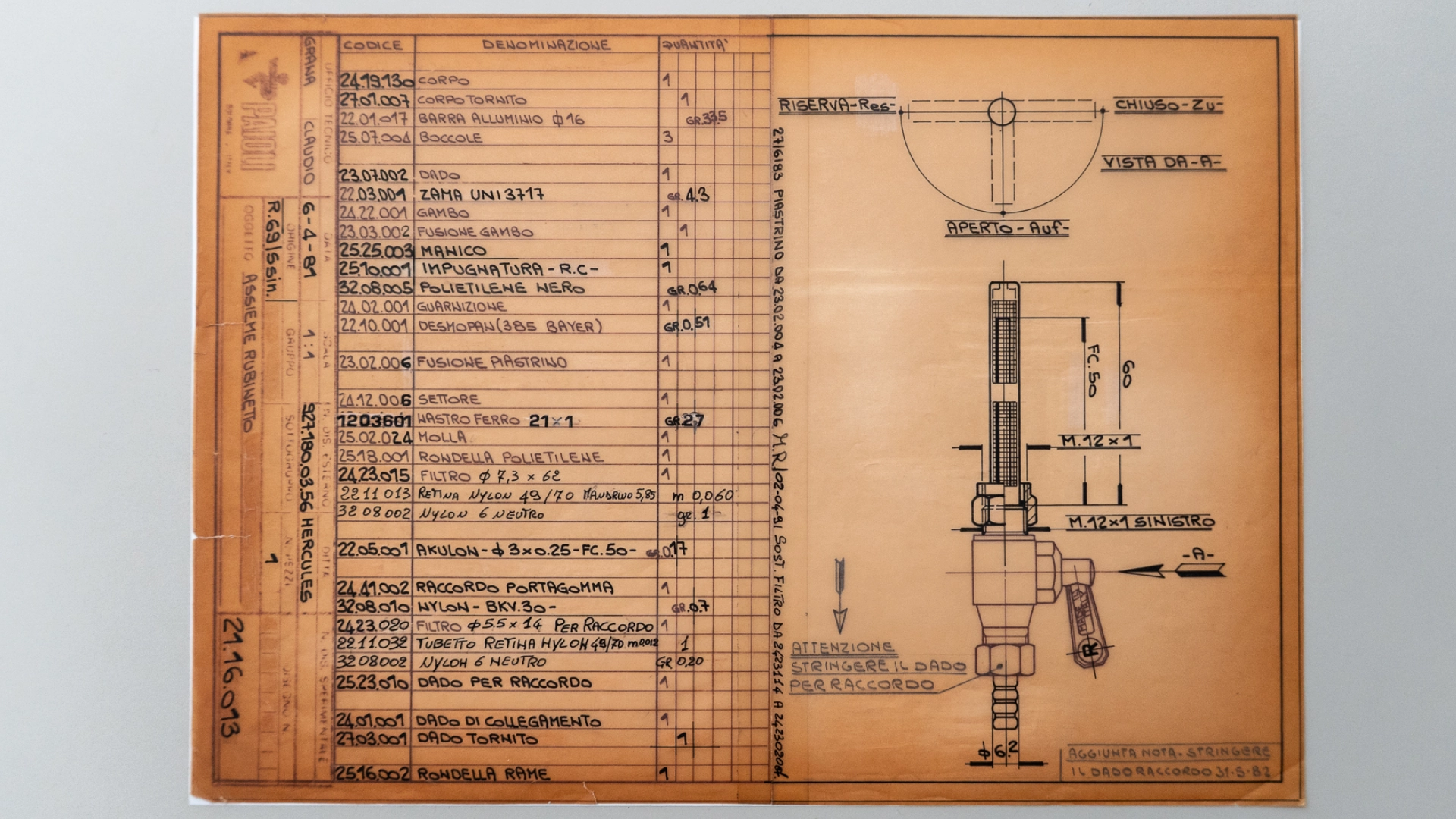
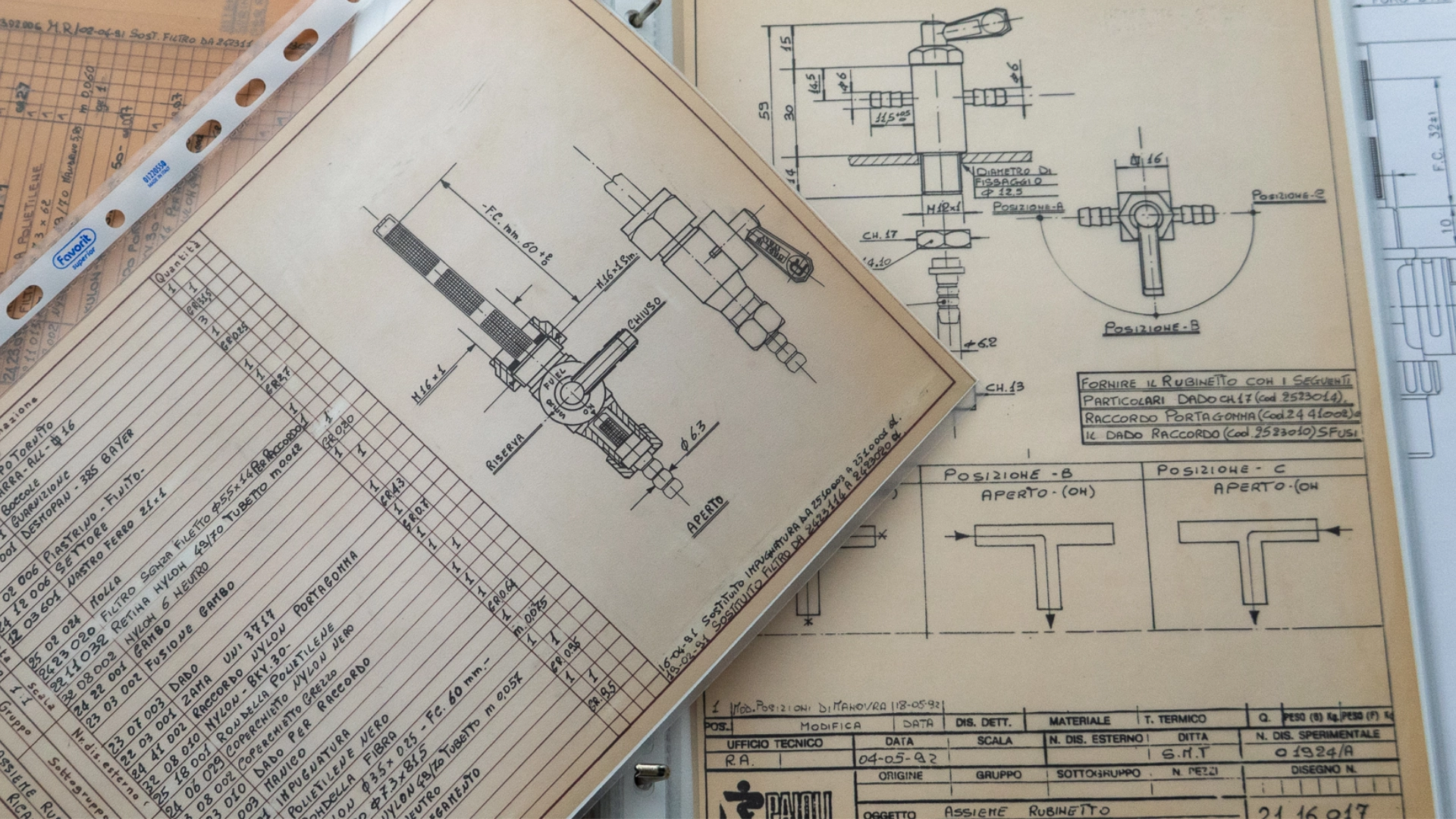
This path was strengthened by the acquisition, in 1975, of the production line of Mario Orlandi, heir to a historic company founded in 1908 in Bologna, specialized in technical components such as fuel and oil valves, controls, filters, and shock absorbers. This integration allowed Paioli to expand its know-how and accelerate its specialization in the motorcycle sector.
By the mid-1980s, the company made a clear strategic decision: traditional sheet metal activities such as fenders and bicycle frames were gradually abandoned.
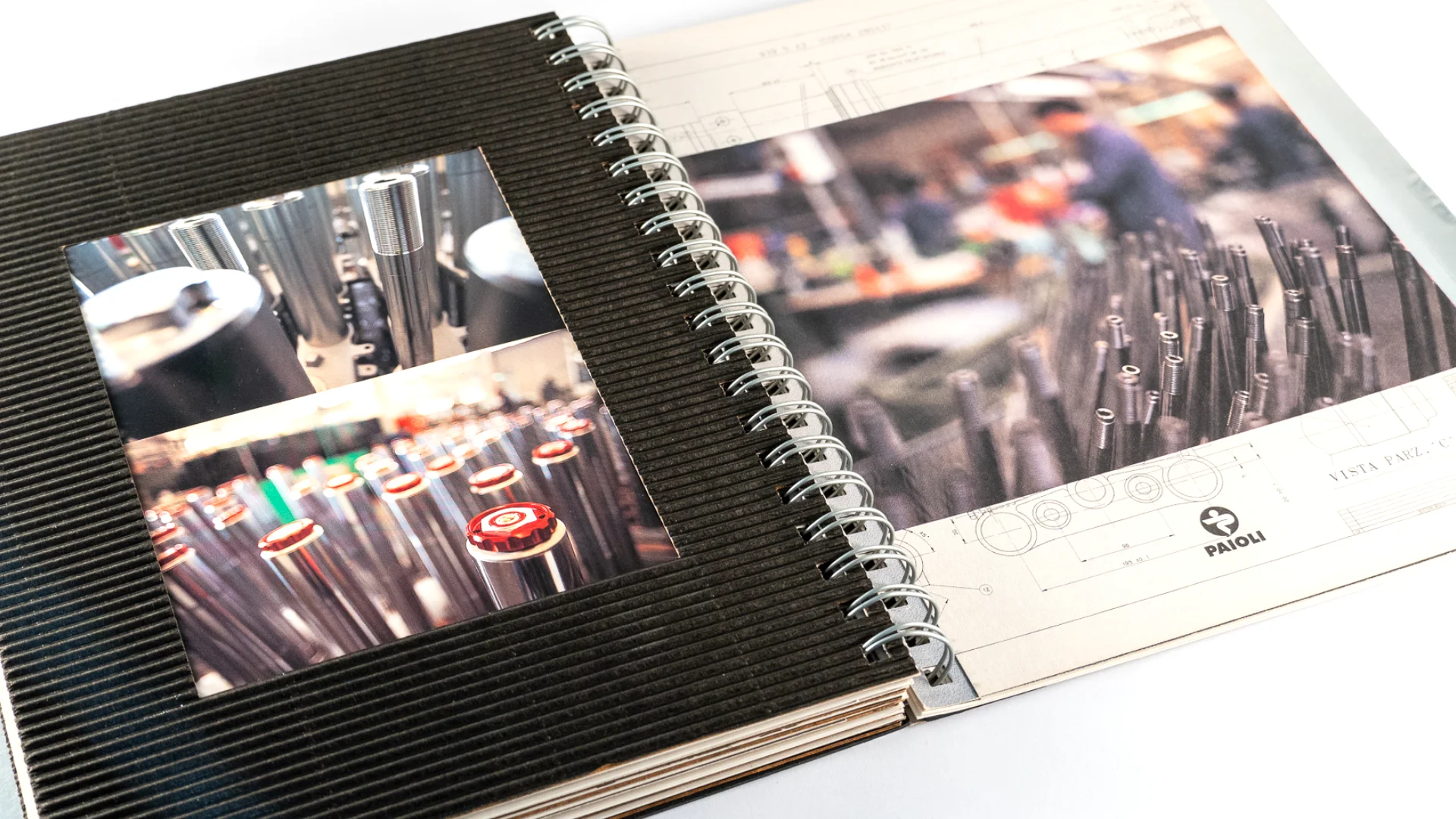
Paioli focused on higher technology products, standing out in the production of components such as vacuum pumps, electric fuel valves, and especially the design and manufacturing of motorcycle shocks and forks.
During these years, important agreements were signed with industrial partners such as Magneti Marelli, MKF, and Shell.
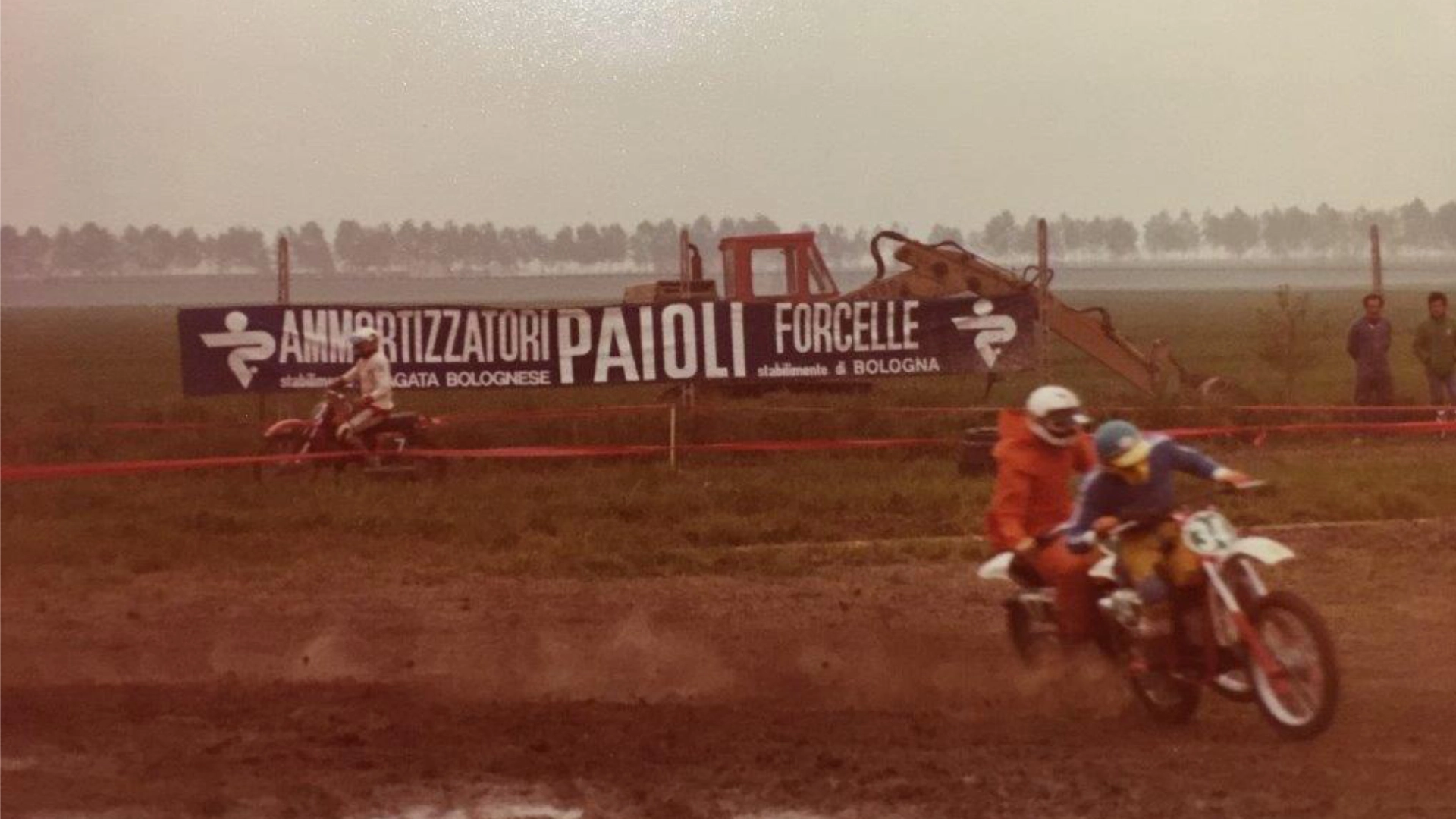
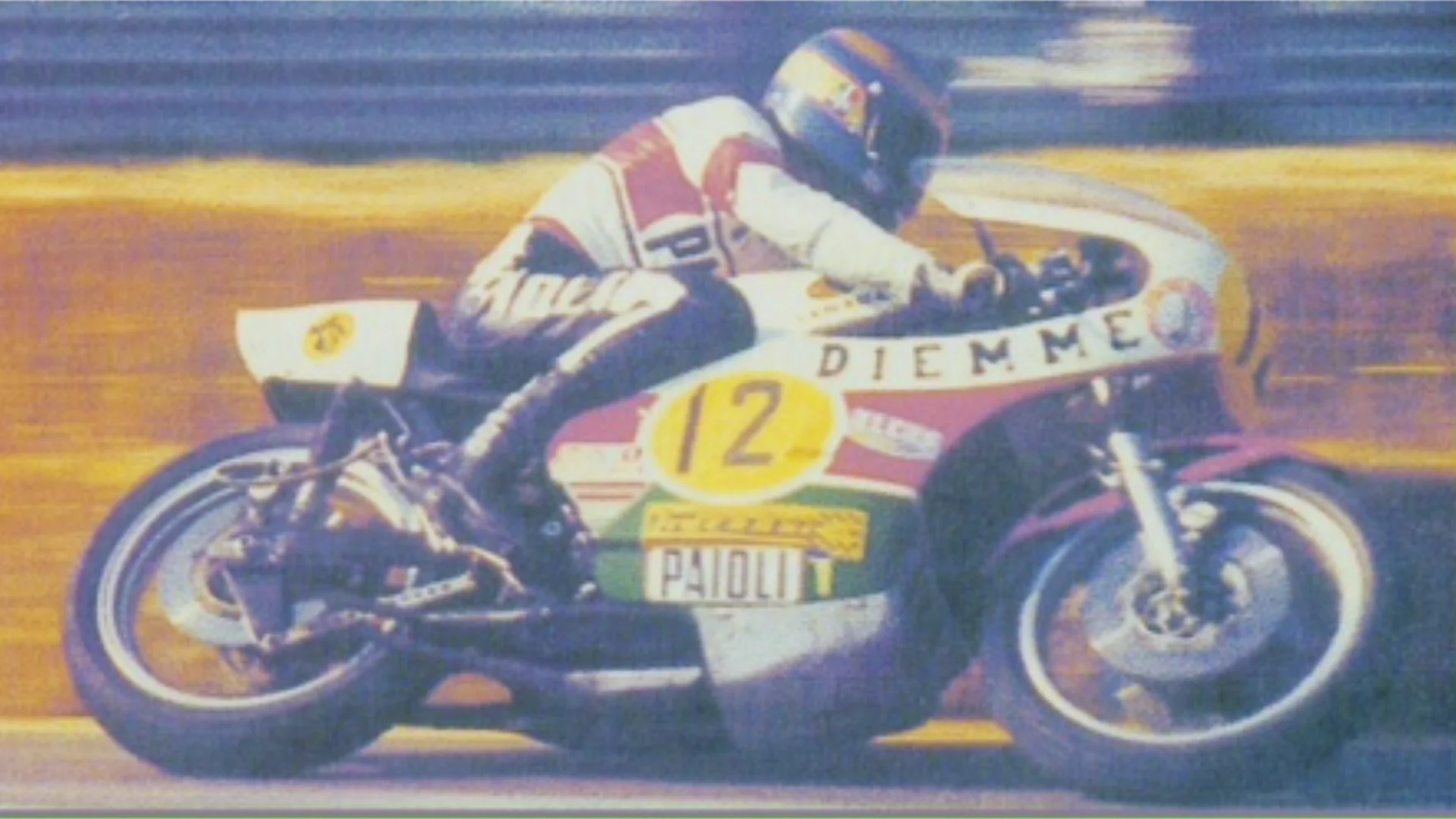
In 1989, the company obtained UNI EN ISO 9001 certification, along with its first significant results in international competitions, including collaborations in the World Supersport Championship and the World Trial Championship.
2000
Innovation and global competition
At the beginning of the 2000s, the market became increasingly international, with strong production growth in Asia. In this competitive scenario, Paioli maintained its position thanks to long-standing experience and consolidated research and development.
Between 2000 and 2003, Paioli took part in the European project “InJ. Dampers”, focused on the development of innovative suspensions based on advanced materials and fluids with variable viscosity controlled by a magnetic field. At the same time, in collaboration with BMW, the company developed an active suspension system for motorcycles, capable of automatically adapting its response to different riding conditions.


2007- 2026
Paioli today
Over the years, several corporate reorganizations led first to the creation of Paioli S.p.A., and later Paioli Components. In 2007, with the departure of Antonio Gnudi, the company remained entirely in the hands of his brother Andrea and his son Riccardo. In 2012, the Paioli Meccanica branch managed by Giovanna Gnudi and Luciano Santovito was closed, while production continued through Paioli in Sant’Agata Bolognese.
Andrea Gnudi led the company through difficult years for the Italian industrial sector with professionalism, vision, and dedication, until his passing in February 2026.
Today, Paioli is led by Riccardo Gnudi, the last heir of an entrepreneurial family that has continuously contributed to the Italian industrial landscape for over 115 years.
This long history is the result of more than a century of work, commitment, effort, and passion. At Paioli, family and industrial mission have always been a single identity. The goal has always been to combine strong tradition with ambitious goals.
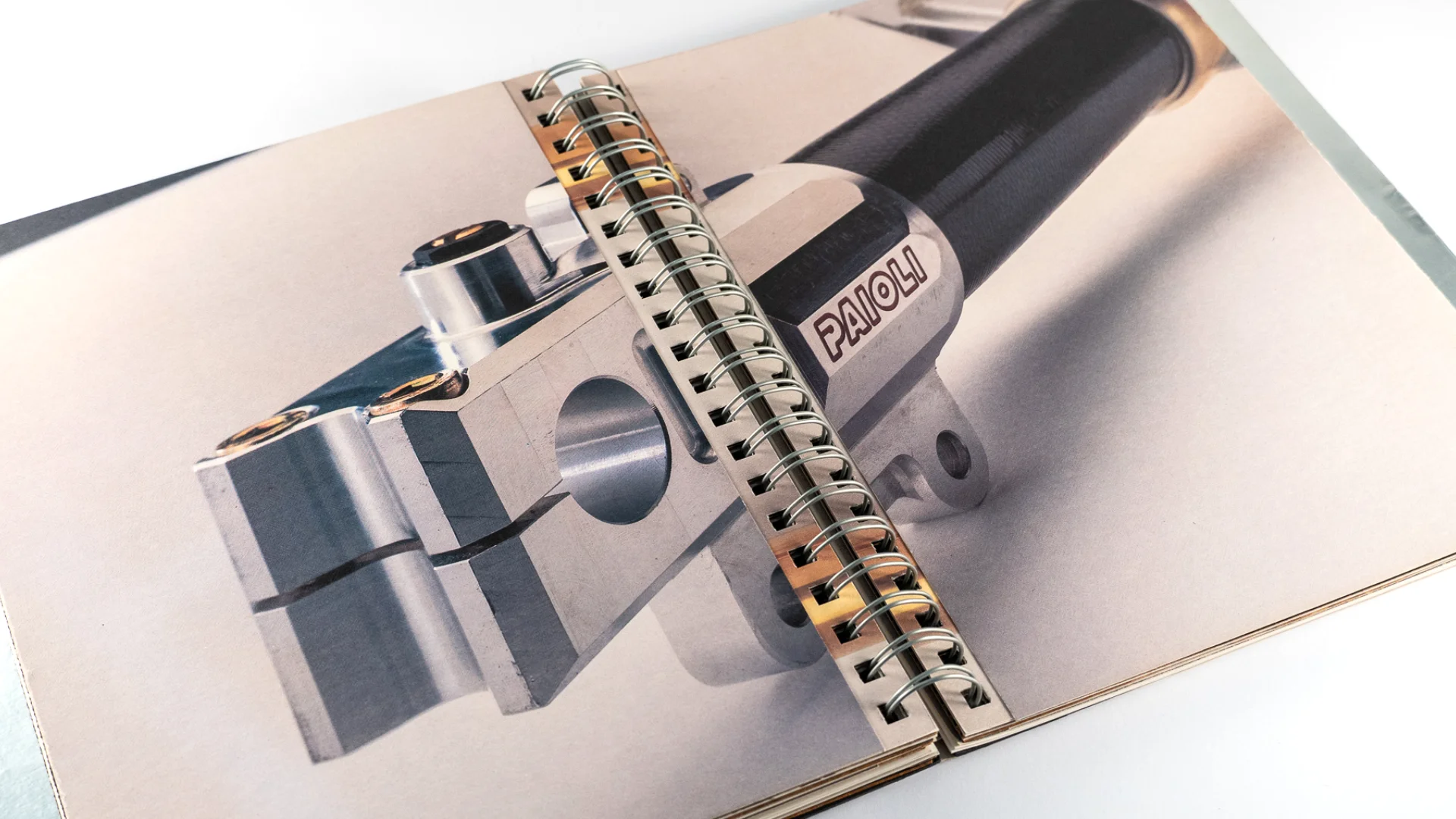
Within this vision, Paioli produces a wide range of technologically advanced products for motorcycles, agricultural vehicles, and industrial applications.